

University of Cincinnati
Study in Rome, Italy to learn from a place that is both timeless and ever changing. From city plans to household objects, and from museum signage to couture, Rome teaches everywhere you look. Dive into this immersive experience in the UC DAAP Design Program at the AIA Rome Center.
Program Description
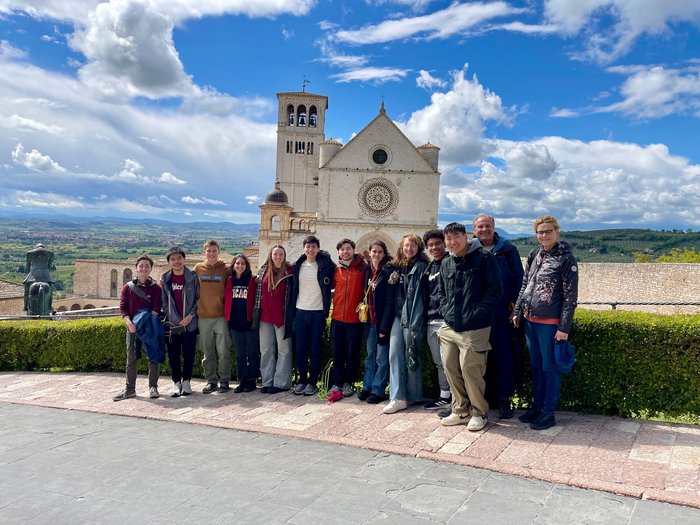
The UC DAAP Design Program at AIA offers dedicated students the chance to live and study in the heart of Italy's capital for nearly 14 weeks. All courses and activities involve focused, active, hands-on learning that investigates contemporary solutions to modern, real-world design challenges and opportunities in an inspiring, historical setting. You will visit many of Italy's extraordinary sites and meet experts across the design fields, from planners and communication designers to fashion houses and artisans. You will experience authentic local culture guided by the personal attention of instructors and staff. Program tuition includes field trips and admission to many cultural sites across Italy.
The program is open to students of the University of Cincinnati College of Design, Architecture, Art, and Planning in four disciplines: urban planning, design, communication design and fashion design. All courses carry direct UC credit. Professor Danilo Palazzo of the UC School of Planning will serve as faculty leader for the 2027 program, working alongside local faculty and guest experts. The program includes field trips across Italy, and students will study Italian language with a native speaker. All four design disciplines will work both together and independently to understand how Italy and Rome richly combine design at all scales.
At a Glance
- Where: Rome, Italy
- When: Fall 2027, August 31 to December 3
- Who: UC DAAP students of urban planning, design, communication design and fashion design
- Faculty Leader: Professor Danilo Palazzo, UC School of Planning, with local faculty and guest experts
- Facilities: AIA Rome Center, Palazzo Cenci-Bolognetti
- Housing: Shared apartments
- Field Trips: May include Milan, Venice, Florence, Turin, Naples and/or other sites across Italy
- Courses: Classroom and on-site learning in Rome and across Italy; all courses carry direct UC credit
Rome: Old & New, Big & Small
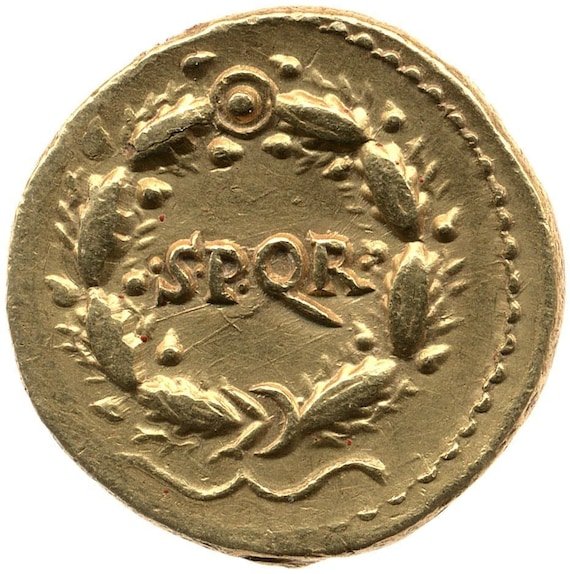
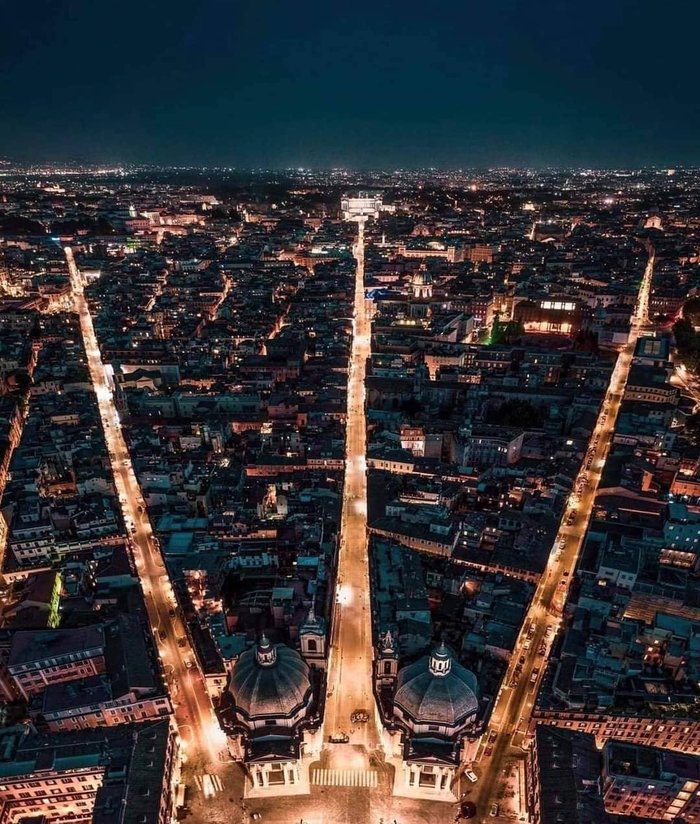
Rome and Italy offer unlimited design lessons in exquisite designed and vernacular environments. From the inscriptions of the ancients and the piazzas of the Renaissance to the studios, ateliers and design offices of the contemporary city, Rome invites every discipline to study design across scales and across centuries.
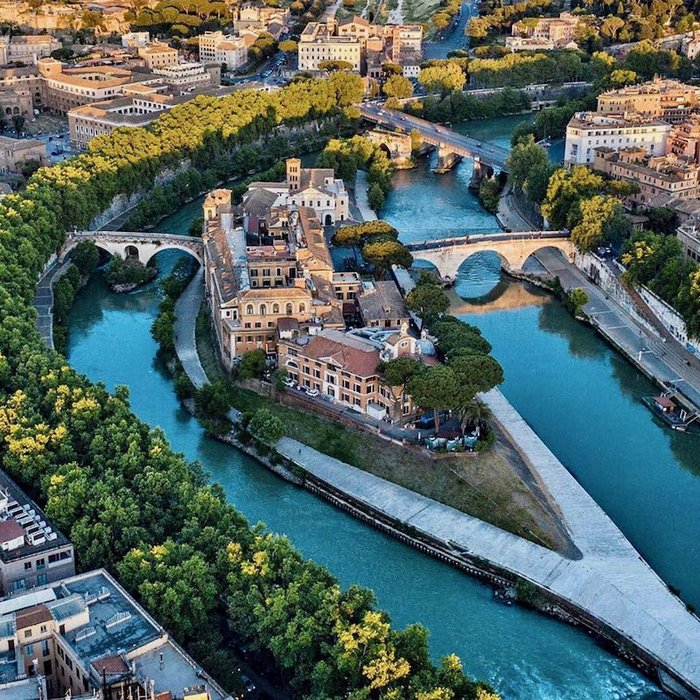
Urban Planning. Rome's great networks of roads, aqueducts, rivers and rail have shaped its growth for over two thousand years, from the ancient Forum and the avenues of the Baroque popes to the planned districts of the twentieth century. At the same time, each neighborhood has its own character, with its own market, piazza, street life and daily rhythms. Students study how large-scale decisions about mobility, heritage and growth meet the local conditions of the places where Romans live.
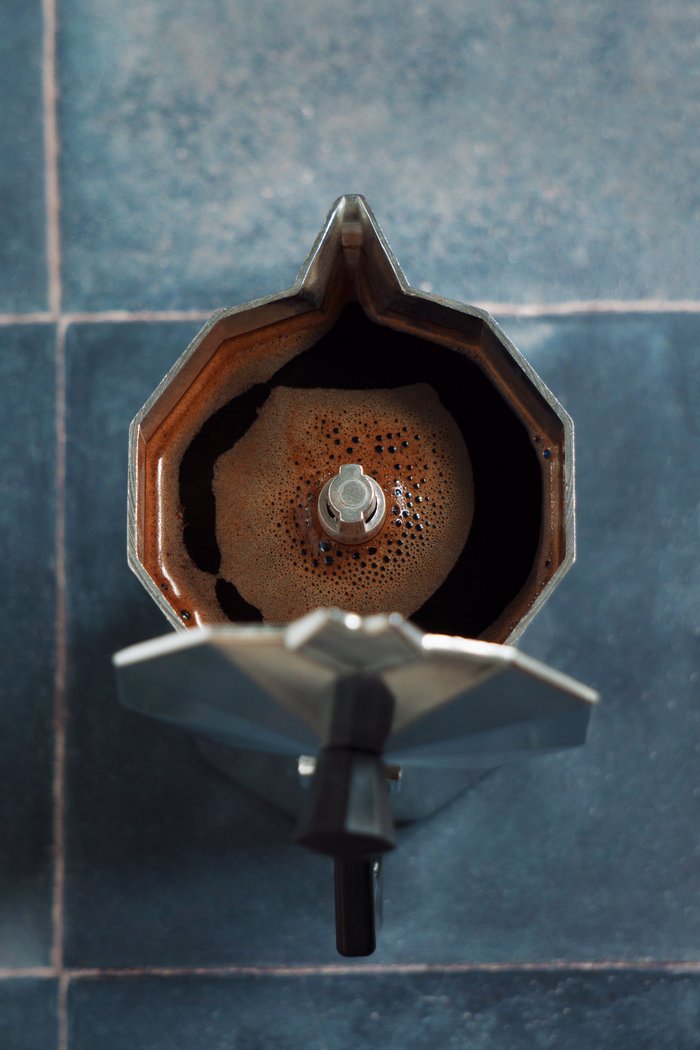
Design. Discover how meticulously crafted everyday objects shape how we experience a place and a culture. Italy is home to designers of every kind of object, from eyewear and lighting to furniture and appliances, and the Vespa and the moka pot are international icons of what we know as the scooter and the espresso maker.
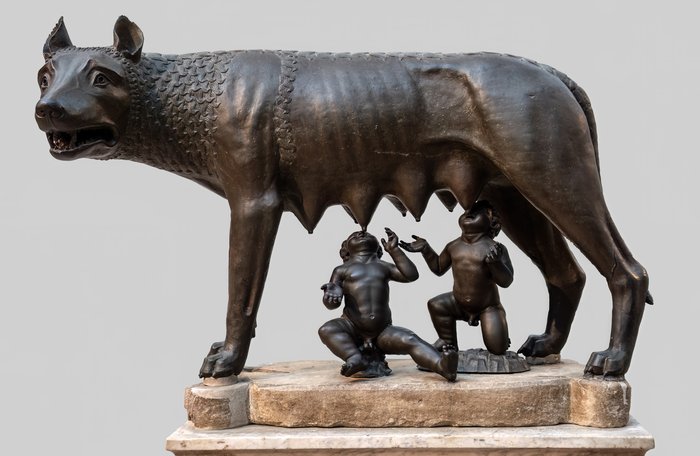
Communication Design. Learn how bold civic gestures and subtle everyday signals together tell a city's story. Rome speaks to us in both shouts and whispers, and written text is only the beginning. Symbols, colors and sounds carry subtle and bold meaning: church bells marking the hours, the crimson and gold of the city's emblem and the warm ochres of its facades. The repeated images of domes, crosses and the obelisks that mark its great piazzas present themselves as intuitive symbols of community and power.
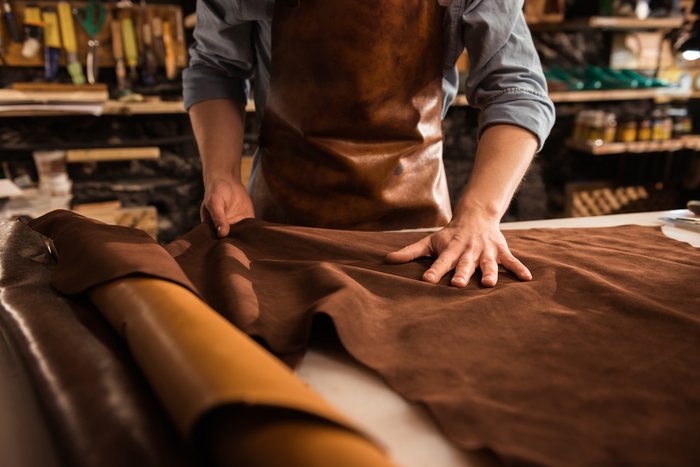
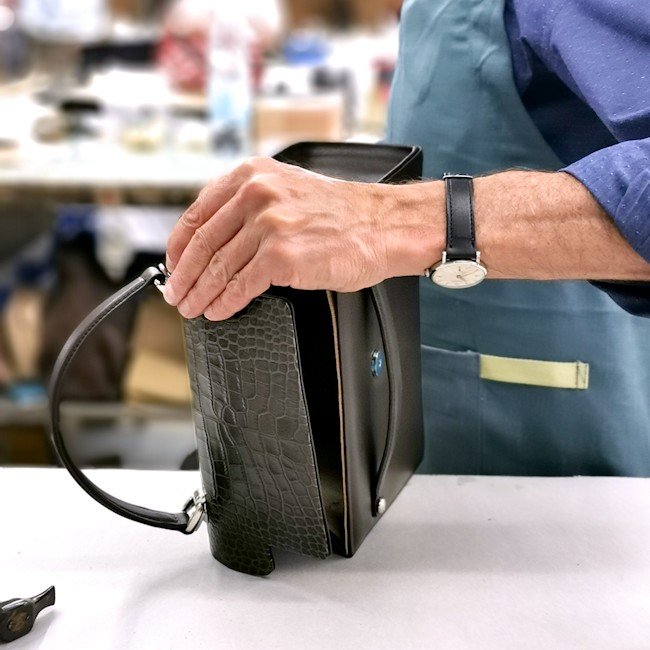
Fashion Design. Rome is home to some of the world's great fashion houses. Fendi has its global headquarters in the Palazzo della Civiltà Italiana in the EUR district, and Valentino's creative home is Palazzo Mignanelli beside the Spanish Steps. Bulgari has had its flagship on Via Condotti since 1905, and Brioni has carried on Roman tailoring since it opened on Via Barberini in 1945. Alongside these international names, small workshops of tailors, leatherworkers and artisans keep alive the handmade skills on which Italian fashion is built. The AIA Rome Center itself sits in Rome's historic garment district, among old fabric shops and shirt makers.
Program Highlights
A Semester Abroad. Live as a local in Italy's capital for nearly 14 weeks and travel the Italian peninsula to experience its wealth of design culture.
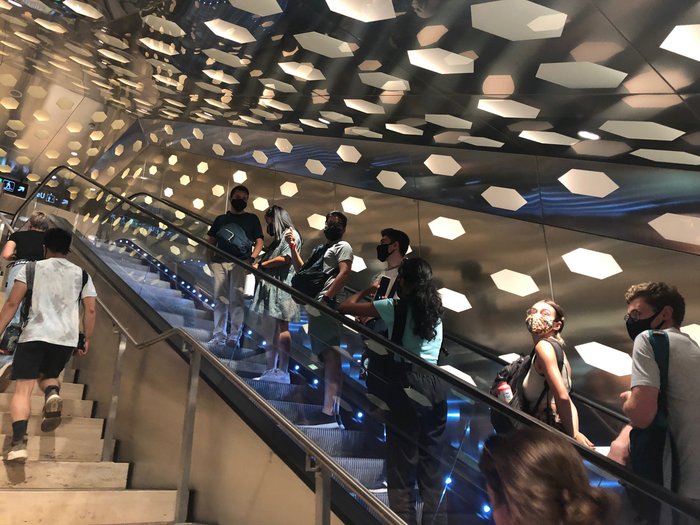
Field Trips. Travel on high-speed rail, stay in comfortable hotels, and sample regional cuisine as we explore cities that shape Italian design and reveal the remarkable variety of Italy's urban history and form. Destinations may include Milan, Italy's capital of fashion and design; Venice, with its unique urban structure and centuries-old traditions of glass, paper and lace making; Florence, cradle of the Renaissance and renowned for its leather, gold and bookbinding; Turin, a center of industrial design and innovation; and Naples, with its dense streets, celebrated tailoring and musical traditions, and world-class contemporary metro stations.
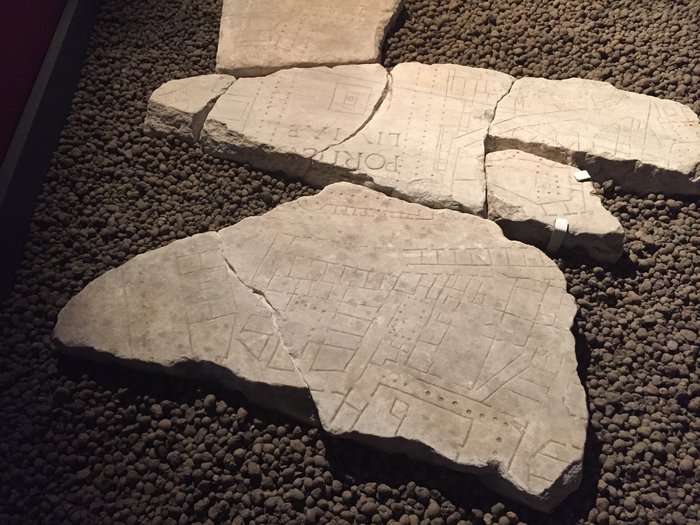
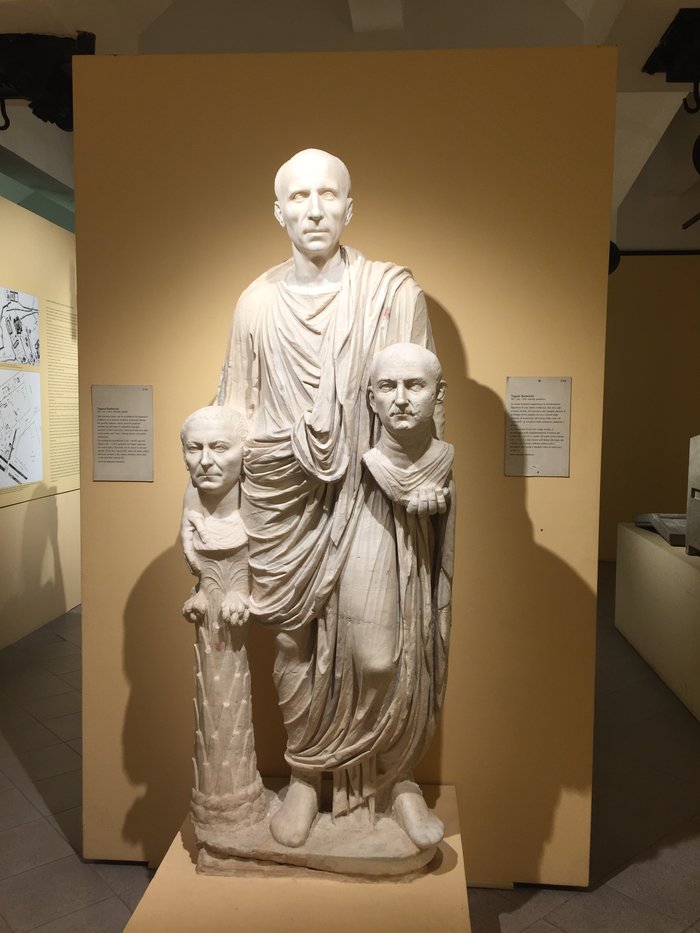
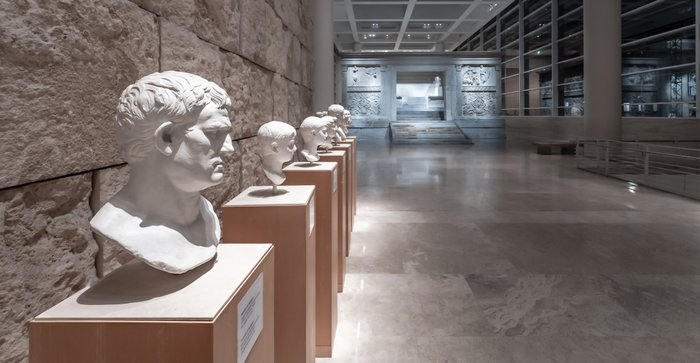
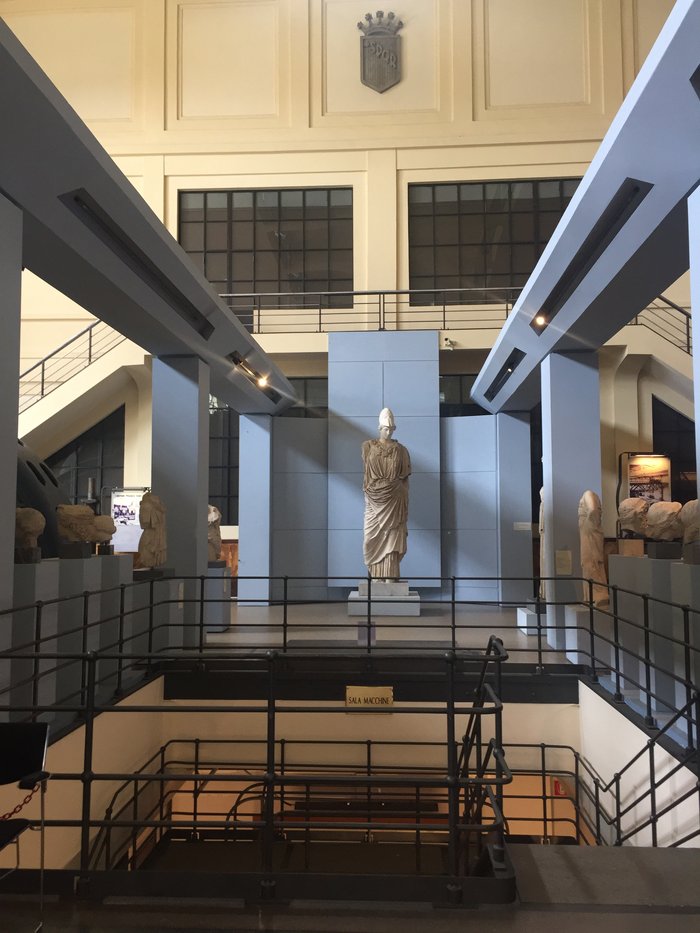
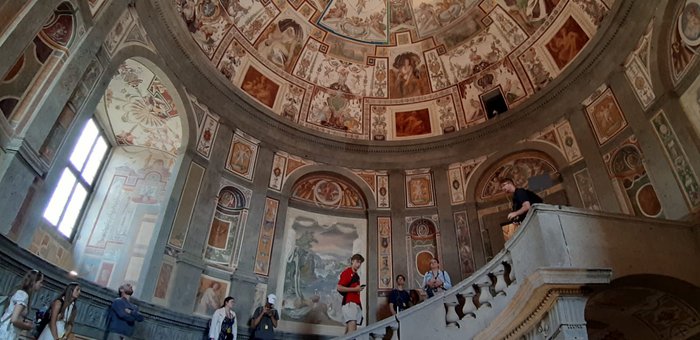
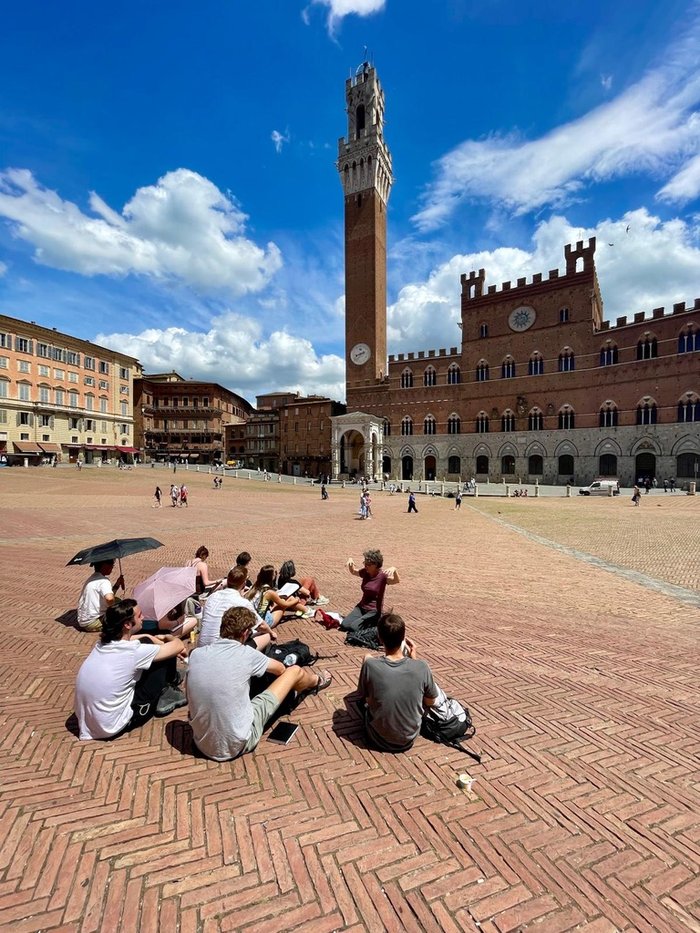
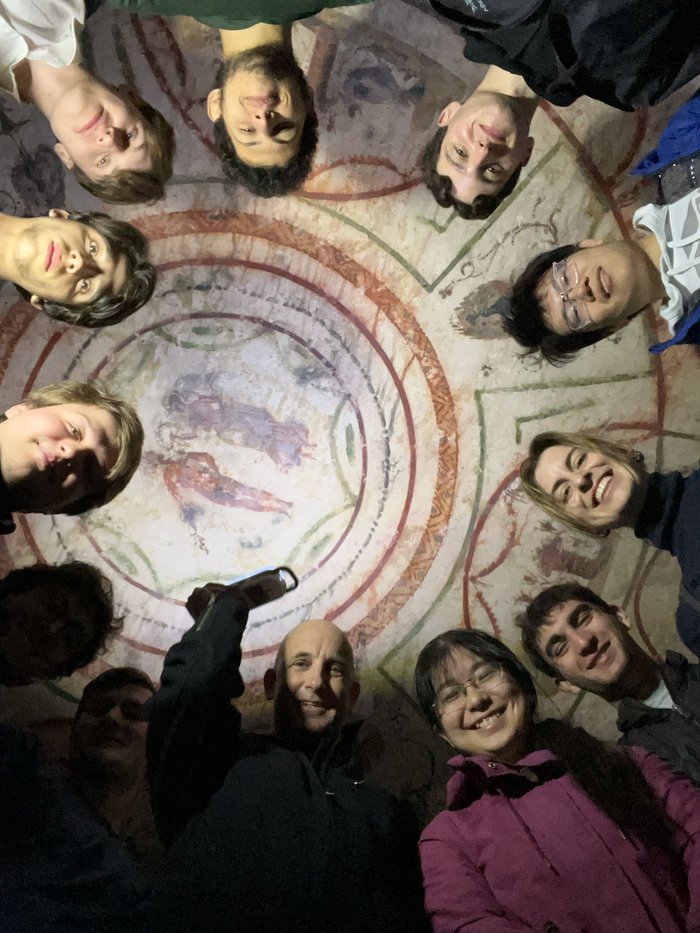
Cultural Visits. Throughout the program, in Rome and across Italy, you will visit museums, archaeological sites, neighborhoods and design venues. Local experts will lead guided walks through the streets and piazzas of Rome and other historical city centers. In Rome, explore the Museum of the Forma Urbis, where the ancient marble map of the city lies beneath your feet; MAXXI, Zaha Hadid's national museum of 21st-century art, design and architecture; the Centrale Montemartini, where ancient sculpture stands among the machinery of the city's first power plant; the Central Institute for Graphics, with its historic collection of engraved copper plates; the Boncompagni Ludovisi Museum of decorative arts, costume and fashion; and Garum, the Museum of Cooking, with kitchen tools from Baroque ice cream molds to design cookware. Beyond Rome, visit outstanding museums and exhibition spaces, such as the Triennale in Milan; Venice's incomparable Museum of Glass on Murano and the Palazzo Mocenigo museum of textiles and costume; the countless museums of Florence, such as the Uffizi Galleries; Turin's National Museum of Cinema; and the ancient Roman art and everyday objects of the National Archaeological Museum of Naples.
Design in Practice. Meet Italian peers and connect with the professionals who shape today's cities, objects, media and fashion through workshops and in-person visits. For planners, visits may include design studios, Italian universities and the municipal and regional authorities that guide how Italian cities grow. Communication designers may visit marketing and advertising agencies and national print and broadcast media, and meet the creators of the city's signage, tourist information, transportation graphics and street art. Designers may explore lighting, finish material and furniture showrooms, with potential visits to ISIA Roma Design, Italy's first public design school, and the Italian Industrial Design Association. Fashion designers may have the opportunity to step inside the ateliers, fashion houses and artisan workshops where Italian style is made.
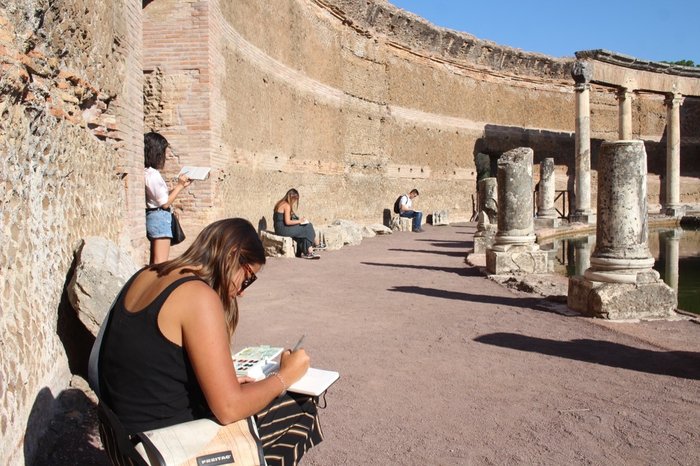
Creative Design Studios. Build your skills and your portfolio through creative solutions to real-world design problems set in Rome. Dedicated and thorough studios emphasize all media, from manual representation to digital media and maker spaces.
Interdisciplinary Learning. Planners, designers, communication designers and fashion designers will study side by side, sharing one city and learning how their disciplines work together in a complex, interconnected designed environment.
Course Credit. You will receive direct UC credit for all of your courses in this program.
Independent Travel. Some students choose to travel independently on occasional weekends, after field trips, and before and after the program, and Rome is a hub for international travel by rail and air to destinations across Italy, Europe and the Mediterranean.
Faculty
Prof. Danilo Palazzo, Ph.D., will serve as faculty leader for the 2027 program. He is a Professor and former Director of the School of Planning at the University of Cincinnati. Before that, he taught at the Polytechnic of Milan, where he earned an M.Arch and a Ph.D. in Planning from IUAV Venezia, and was a visiting scholar at Arizona State University (1995), the University of Cincinnati (1997 and 1998), the Polytechnic of Milan (2021), and a visiting professor at Jiangnan University, PRC (2019). His major fields of interest are urbanism, urban design, and pedagogy. He has conducted research in land use planning, landscape impact assessment, and urban design, and served as a consultant for both public agencies and private firms. He authored/co-authored/co-edited nine books, in addition to numerous papers and book chapters.
Facilities
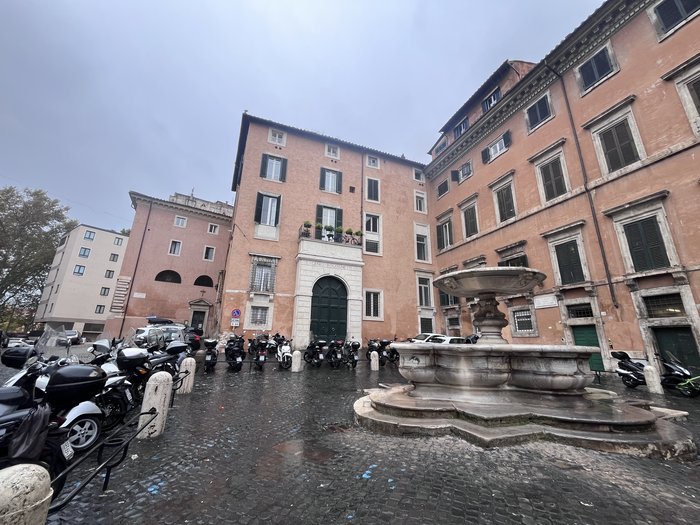
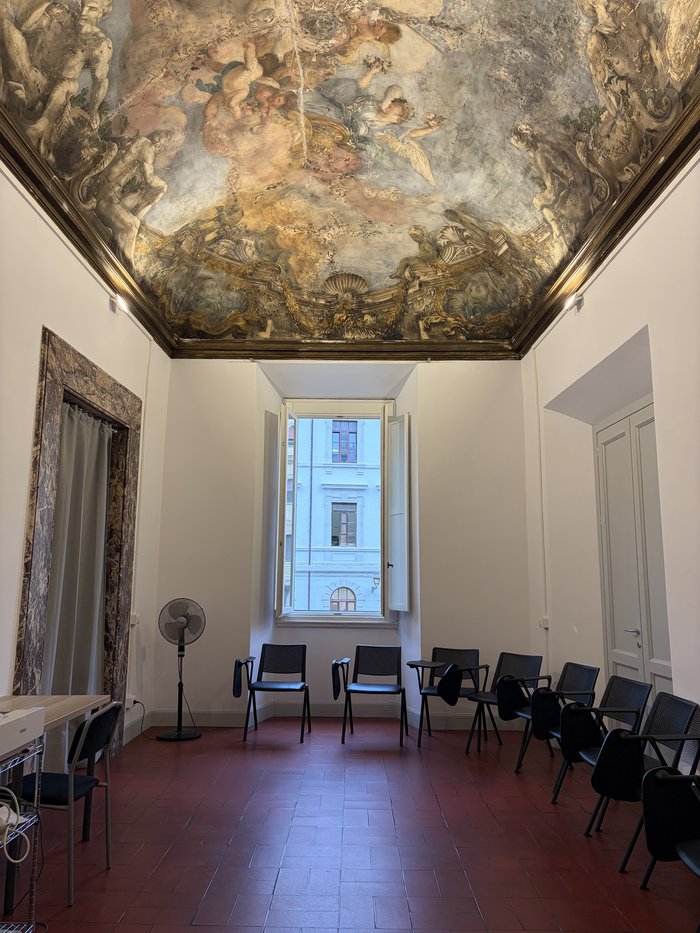
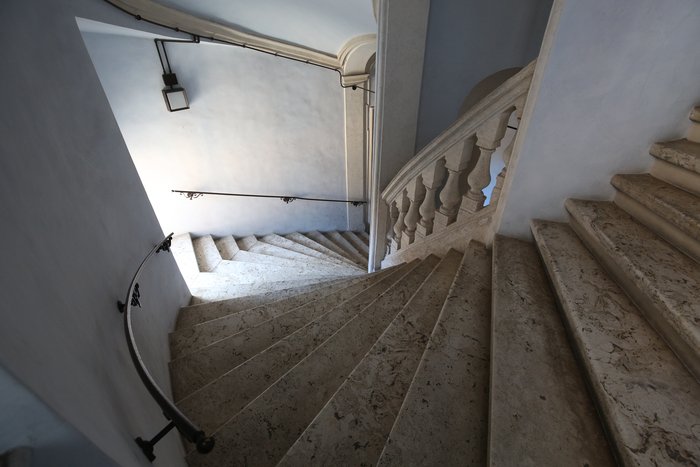
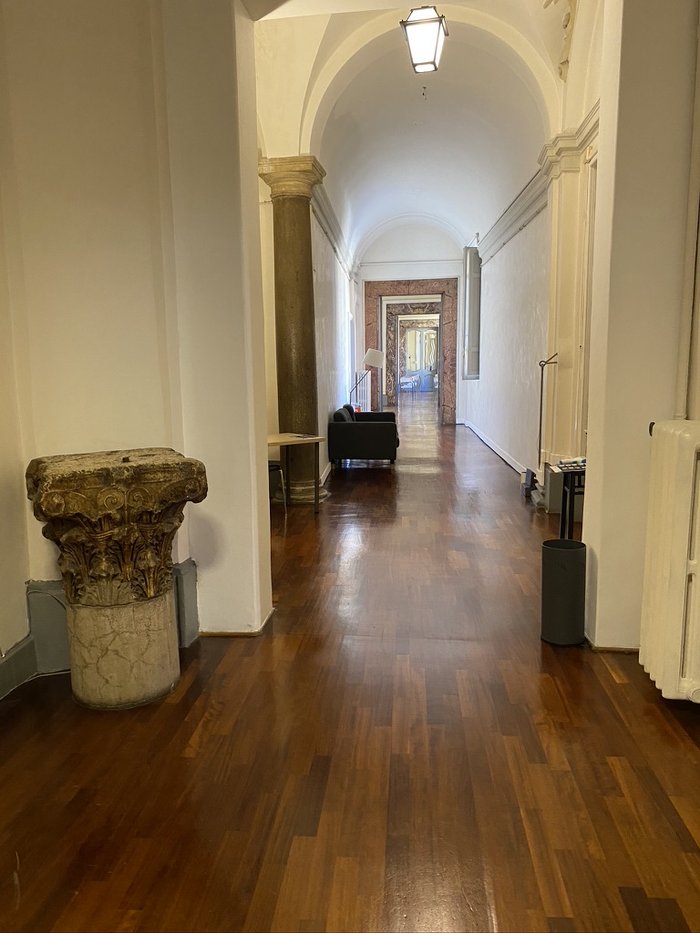
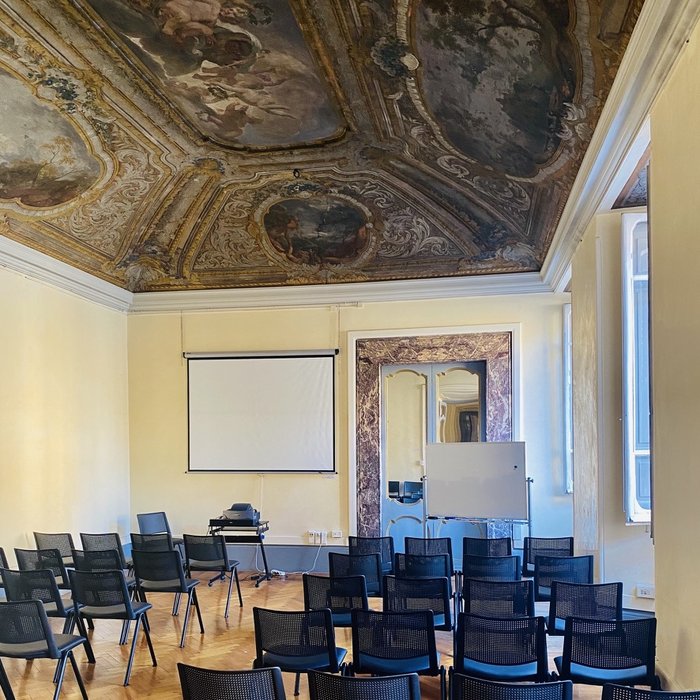
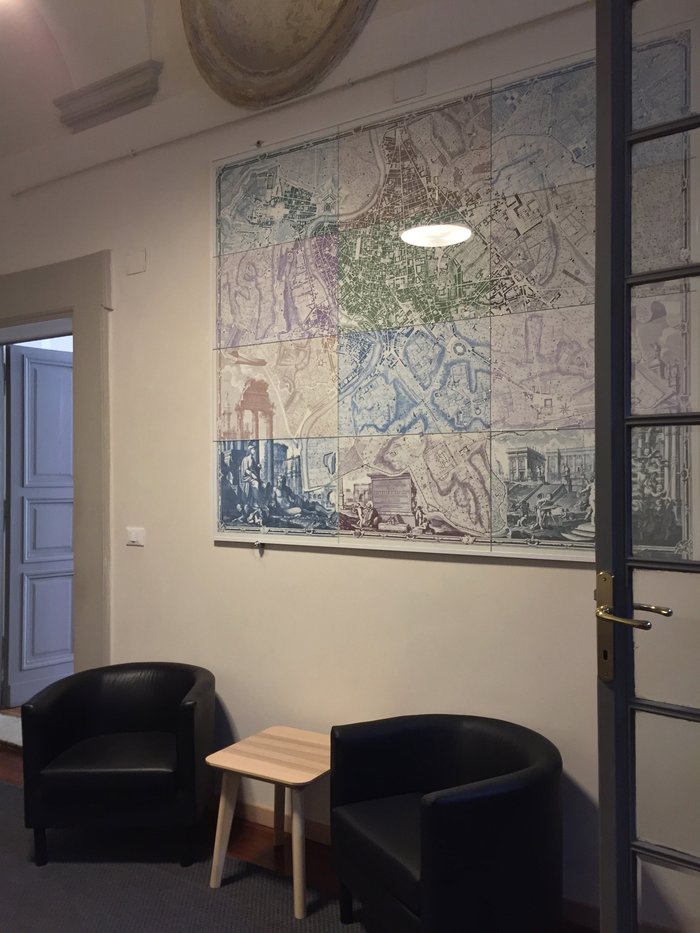
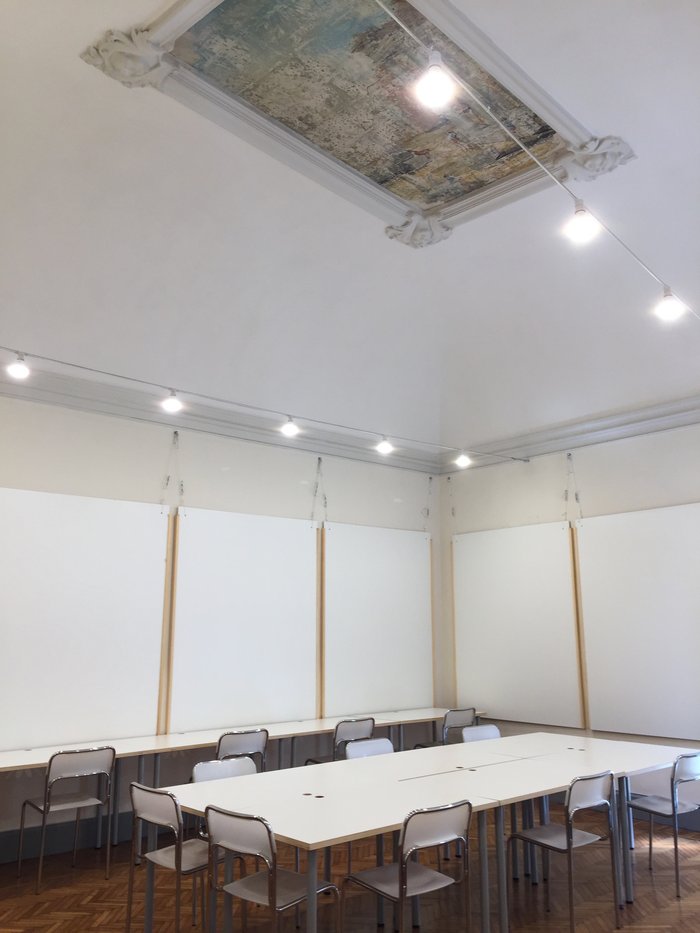
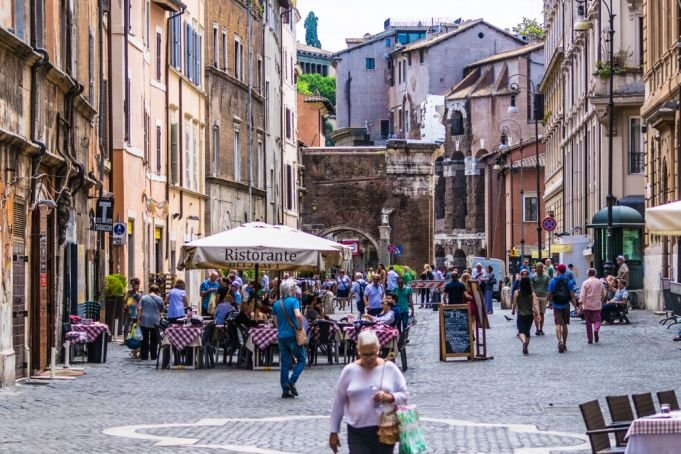
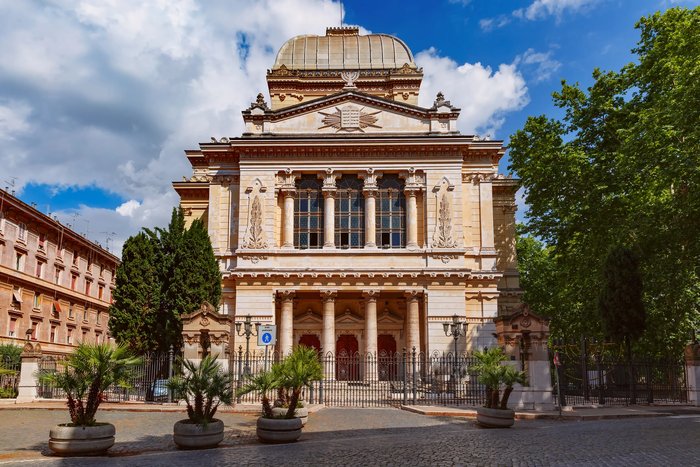
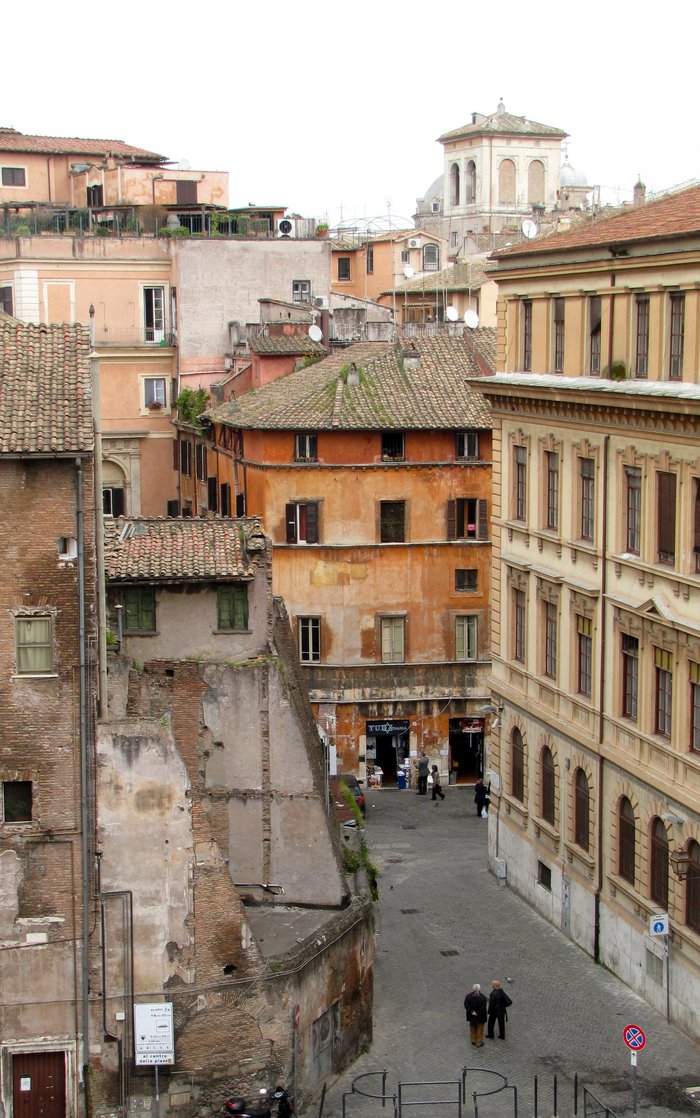
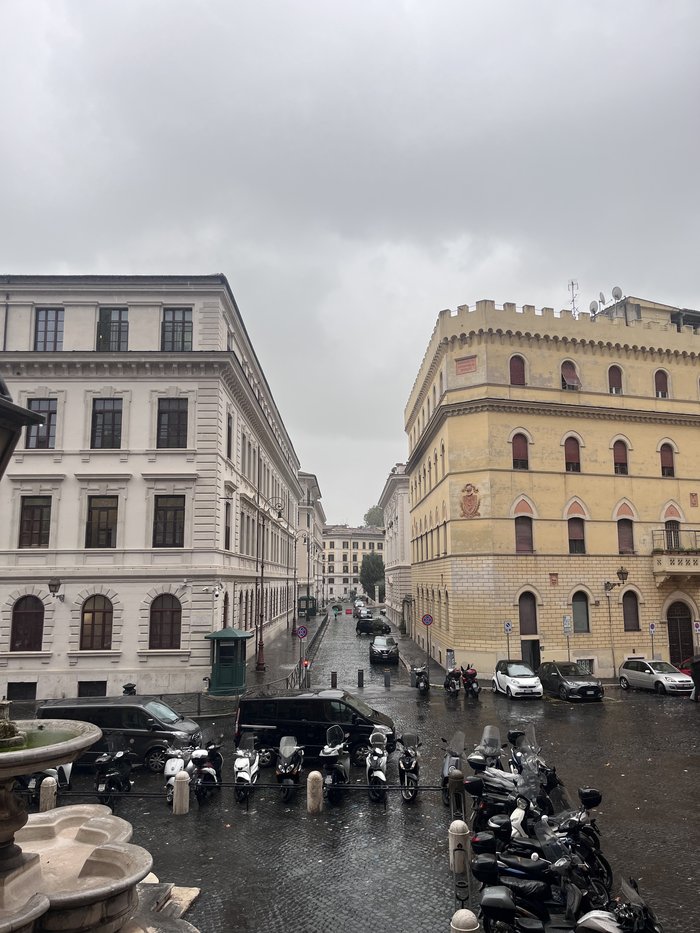
Study in a Roman palace. AIA Rome Center’s facilities are located in the heart of Rome’s historical center in the Palazzo Cenci-Bolognetti, a 16th-century palace in the picturesque Ex-Jewish Ghetto neighborhood. The Rome Center is surrounded by food and shopping opportunities, cultural sites, open spaces, public transit and medical facilities.
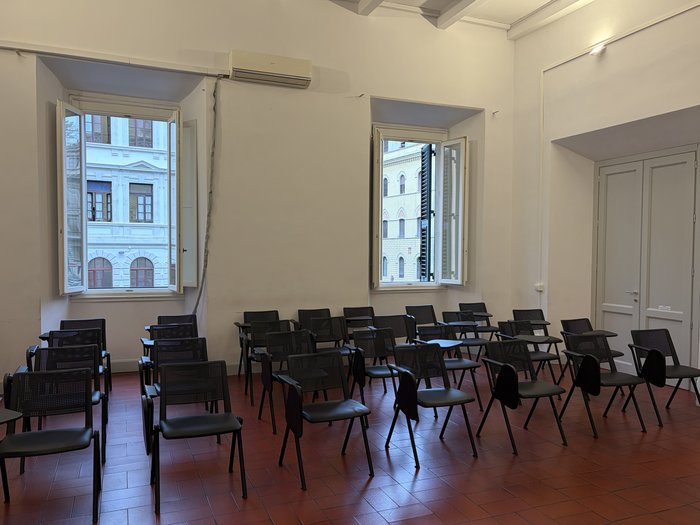
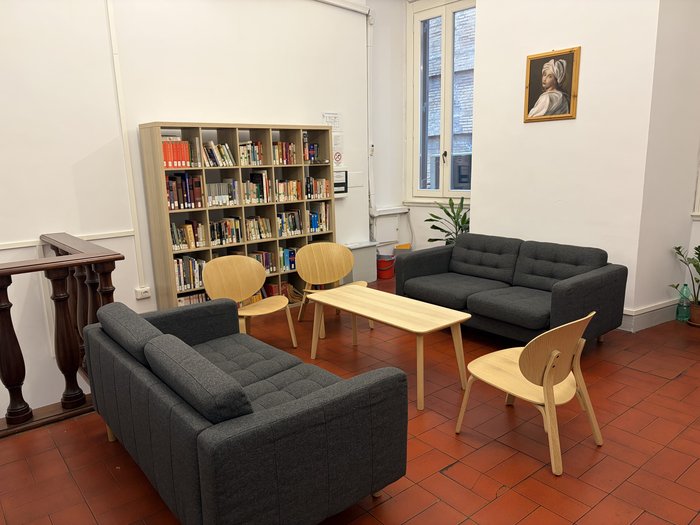
Facilities in the palazzo include high-speed internet access, staff offices, classrooms, lounges and lunchrooms, as well as basic printing and copying facilities.
Student Housing
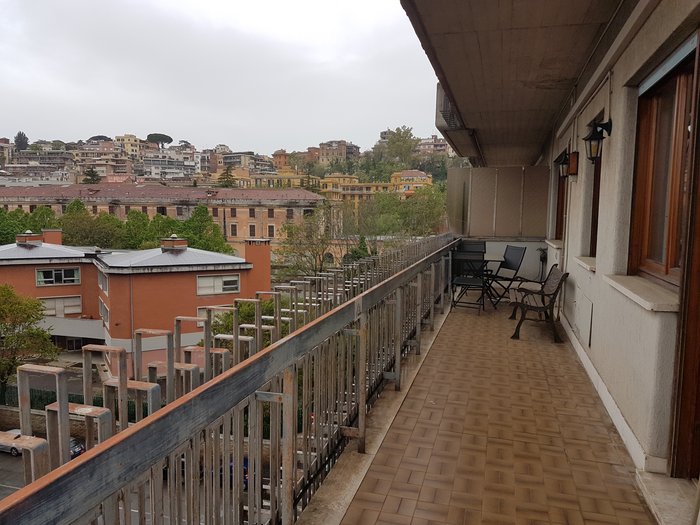
Student housing in Rome is safe, central and clean, and is located near the historic city center. Lodging is convenient to the AIA Rome Center and easy to reach by public transportation or walking.
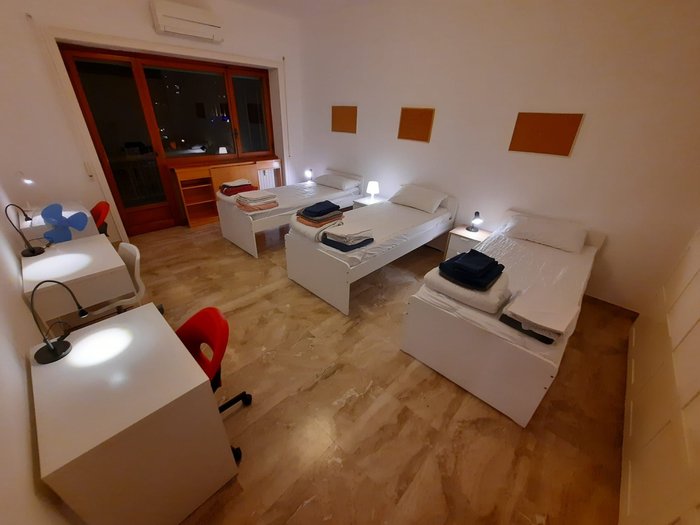
Program students will share private group apartments or dorms, with typically 2-3 beds per room, and modern baths, kitchens and common space. These apartments include on-site maintenance and weekly cleaning of common areas, and are equipped with WiFi, washing machines, furnished kitchens and all necessary linens and towels.
Culinary Traditions
The group will get to know each other and local food traditions through occasional complete and authentic group meals and mixers. You’ll enjoy multi-course group dinners in traditional Roman trattorie, and sample Italy’s wide variety of regional cuisine when you travel.
For daily dining, student apartments offer equipped kitchens where you can cook your own meals with groceries you buy at nearby shops and local farmer’s markets.
You can eat in your own apartments and step out of AIA facilities for a bite between classes. Rome offers many opportunities for quick lunches from pizza to panini, and coffee bars line the streets for breakfast and afternoon snacks.
Special Activities
Extracurricular activities include multi-course group dinners, Italian films and more. Student life includes concerts, soccer games, etc.
Professional Management and Student Support
This program is managed for the University of Cincinnati by Academic Initiatives Abroad through the AIA Rome Center and its local partners. AIA provides program management and student services including: pre-departure information, immigration assistance, orientation, housing and facilities assistance, on-site cultural activities and field trip support. AIA is a respected study abroad provider with significant experience in Italy programs. Learn more about AIA.